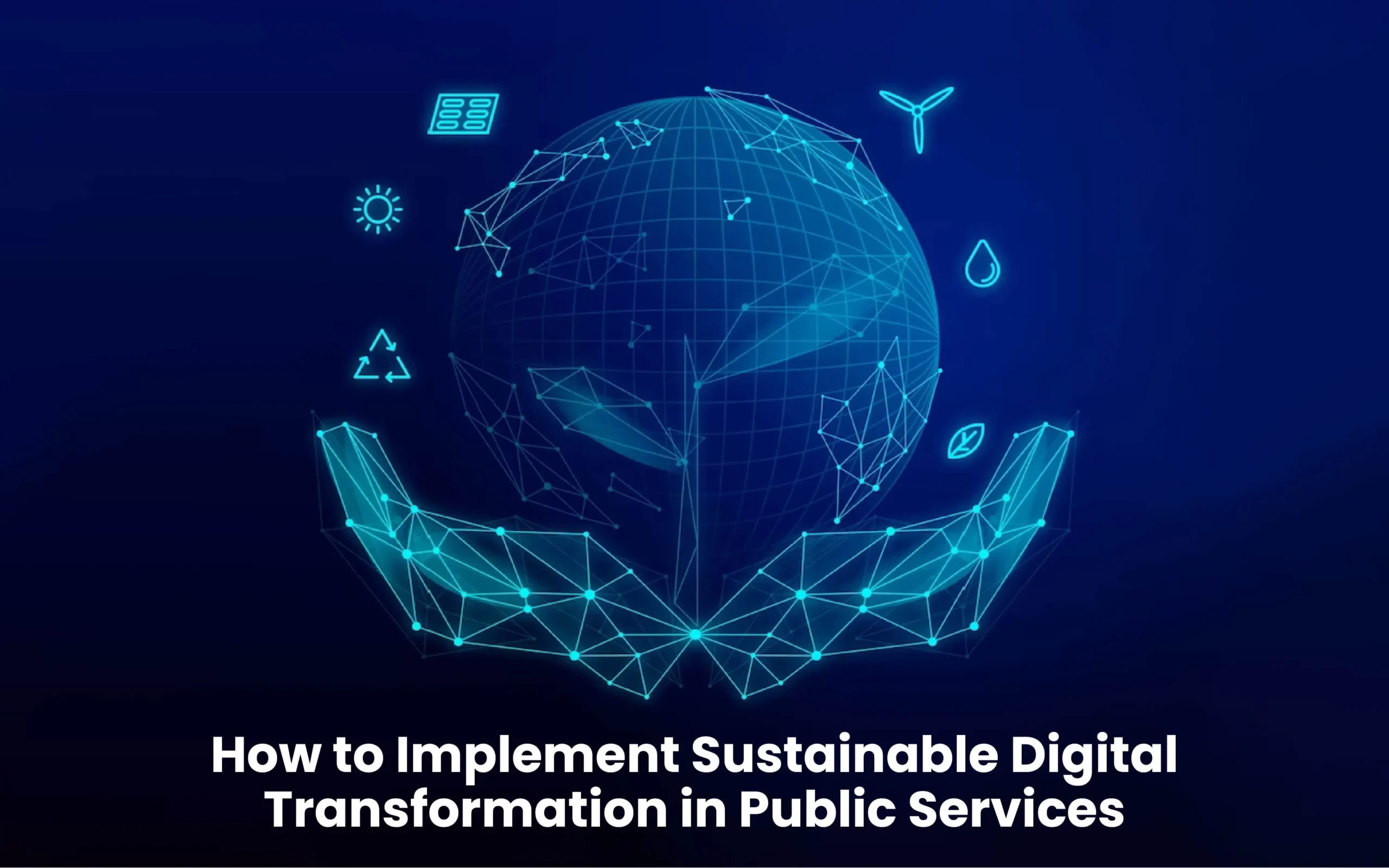

Digital transformation has reshaped every sector, from finance to education, entertainment, health, and commerce. But as the world becomes increasingly connected, another conversation has gained momentum the environmental footprint of digital experiences. Websites, mobile apps, streaming platforms, cloud services, and AI systems all contribute to global energy consumption, and this impact is growing every year.
This has led to a significant evolution in the design and tech industry
A shift toward sustainable digital design.
Sustainable digital design is no longer a niche idea. It is becoming a global movement, influencing how designers, developers, and businesses create and maintain digital products. The future of design is not just beautiful and intuitive it is also responsible, efficient, and environmentally conscious.
This extended article explores the deeper layers of this shift, including why it matters, the forces driving it, the emerging trends, and the practical steps that brands can take to build greener, smarter digital experiences that stand the test of time.
What Is Sustainable Digital Design?
Sustainable digital design refers to the creation of digital products websites, apps, dashboards, platforms, branding, and interfaces that minimise environmental impact while maximising performance, accessibility, and longevity.
It focuses on three key pillars:
1. Environmental Sustainability
Reducing energy consumption, lowering data usage, optimizing code, and using green hosting services.
2. Technical Sustainability
Building systems that are efficient, scalable, easy to maintain, and long-lasting instead of requiring constant full redesigns.
3. Social Sustainability
Ensuring design is inclusive, accessible, ethically created, and supportive of long-term human well-being.
In other words, sustainable digital design balances functionality, beauty, and responsibility.
Why Sustainable Digital Design Matters Now More Than Ever
People often assume digital products are “clean” or “eco-friendly” because they are not physical. But the digital world runs on massive data centers, servers, networks, and devices that all require energy often from non-renewable sources.
Here’s the reality:
Digital technology is responsible for about 4 percent of global carbon emissions
That’s more than the aviation industry.
Every Google search, email, app install, video stream, or website visit consumes energy
Poorly optimized sites and apps waste billions of kilowatt-hours every year.
Data centers use huge amounts of electricity and water
Even “simple” features like high-resolution images, poorly compressed videos, unnecessary animations, and heavy JavaScript files contribute to this demand.
Users now care about sustainability
They expect companies to adopt greener practices across their entire workflow including digital presence.
Businesses that embrace sustainable design gain a competitive advantage while aligning with global environmental goals.
What’s Driving the Shift to Sustainable Digital Design?
1. User Behavior and Expectations
Modern users are impatient. They want fast-loading sites, low data usage, smooth navigation, and minimal battery drain. Sustainable design naturally supports these needs.
2. Rising Internet Traffic
With more devices, more apps, more video, and more AI tools, the demand on networks continues to skyrocket. Efficiency is no longer optional.
3. Business Demand for Efficiency
Efficient systems cost less to maintain, run faster, and scale better saving companies money while enhancing user experience.
4. Environmental Responsibility
Brands are under increasing pressure to adopt eco-friendly practices. Sustainable design offers a measurable path toward greener operations.
5. Global Regulations
Countries and international organisations are moving toward digital sustainability guidelines. Compliance is becoming essential.
Key Trends in Sustainable Digital Design
Below are the major trends redefining digital design for a greener future:
1. Ultra-Lightweight Websites and Apps
Design teams are moving away from heavy, resource-demanding interfaces and shifting toward clean, optimized, and performance-focused digital products.
This includes:
- compressed images and videos
- optimized code
- simplified animations
- fewer unnecessary plugins
- efficient caching and loading strategies
Lightweight interfaces are faster, cheaper to run, and better for the environment.
2. The Rise of Dark Mode for Energy Efficiency
Dark interfaces reduce battery consumption on OLED devices. While the savings aren’t equal across all screen types, dark mode offers:
- improved accessibility at night
- reduced eye strain
- reduced power usage
It’s both a usability and sustainability trend.
3. Minimalist and Purpose Driven UI
Minimalism in design is evolving beyond aesthetics it has become a sustainability strategy.
Clean, simple interfaces:
- reduce loading time
- decrease data usage
- increase clarity and usability
- reduce environmental impact
Minimalism is becoming a core philosophy of sustainable digital design.
4. Intentional, Low-Impact Content
Sustainable content practices include:
- using vector icons instead of large images
- removing unnecessary videos
- avoiding autoplay media
- compressing all media formats
- prioritizing text and illustration over heavy graphics
This reduces data consumption, making the experience faster for users and lighter for the planet.
5. Green Hosting and Cloud Providers
More brands now choose hosting providers powered by renewable energy.
Green hosting dramatically reduces the carbon footprint of websites and apps.
Some providers offer:
- solar-powered servers
- carbon-neutral operations
- transparent energy reporting
Choosing green hosting is one of the fastest ways to become more sustainable.
6. Long-Term, Modular Design Systems
Instead of redesigning platforms every year, brands are adopting modular design systems that evolve gradually.
This reduces:
- engineering workload
- wasted resources
- unnecessary interface changes
Modular design supports digital longevity and stability.
7. Energy-Aware UX Decisions
Designers are beginning to consider energy consumption as part of the user experience.
This involves decisions like:
- reducing animation speed or motion complexity
- optimizing page transitions
- offering lightweight versions of apps
- minimizing resource-heavy interactions
UX becomes not only user-friendly but also energy-friendly.
Best Practices for Sustainable Digital Design
Here are practical ways to build digital experiences that balance performance, beauty, and efficiency:
1. Prioritize Performance at Every Stage
Performance is the foundation of sustainability.
This includes:
- fast-loading pages
- optimized server responses
- efficient caching
- code that runs cleanly and quickly
Good performance is good sustainability.
2. Optimize Media and Assets
Large media files are the number one cause of heavy digital experiences.
Optimize by:
- using next-gen formats like WebP
- compressing video
- reducing high-resolution images
- applying lazy loading
- avoiding unnecessary autoplay features
Every kilobyte saved reduces energy consumption.
3. Choose Energy Efficient Color Palettes
Dark, muted, and energy-saving colors can support battery life, especially for mobile users with OLED screens.
4. Build Accessible Interfaces
Accessible design often aligns naturally with sustainable practices:
- clean structure
- clear typography
- simplified navigation
- fewer unnecessary effects
Accessibility reduces cognitive load and technical load, benefiting all users.
5. Use Sustainable Hosting Providers
This is one of the most impactful actions.
Look for hosting companies that use:
- renewable energy
- carbon-neutral operations
- efficient cooling systems
- transparent sustainability reporting
This dramatically reduces the carbon footprint of digital products.
6. Create Modular Design Systems
Reusable design components prevent duplication, reduce redesign work, and streamline development.
A well-structured design system reduces waste and supports long-term scalability.
7. Test, Measure, and Continuously Improve
Use tools like:
- PageSpeed Insights
- Lighthouse
- WebPageTest
- Carbon Calculator for Websites
Sustainability is a continuous journey.
Measure impact, optimise regularly, and update strategies as technologies evolve.
The Future of Sustainable Digital Design
Sustainable digital design is becoming fundamental to how modern companies operate. The future will see:
- stricter environmental regulations for digital services
- lightweight apps becoming the standard
- increased user expectation for low-energy experiences
- growth in green hosting technology
- more AI tools for resource optimization
- a shift toward digital minimalism and long-term design thinking
Brands that embrace sustainability will not only reduce environmental impact but also enhance user experience, improve performance, and build trust with conscious consumers.
Conclusion
The shift to sustainable digital design marks a powerful transformation in the digital world. It’s a movement driven by innovation, responsibility, efficiency, and a deeper understanding of how our digital actions affect the planet.
Sustainability is no longer a “nice-to-have.”
It is becoming a design standard one that benefits users, businesses, and the environment.
By embracing lightweight systems, green hosting, accessible design, optimized content, and long-term digital strategies, brands can create digital products that are not only effective and beautiful but also responsible and future-ready.
The future of digital design is sustainable, human-centered, efficient, and intentional.