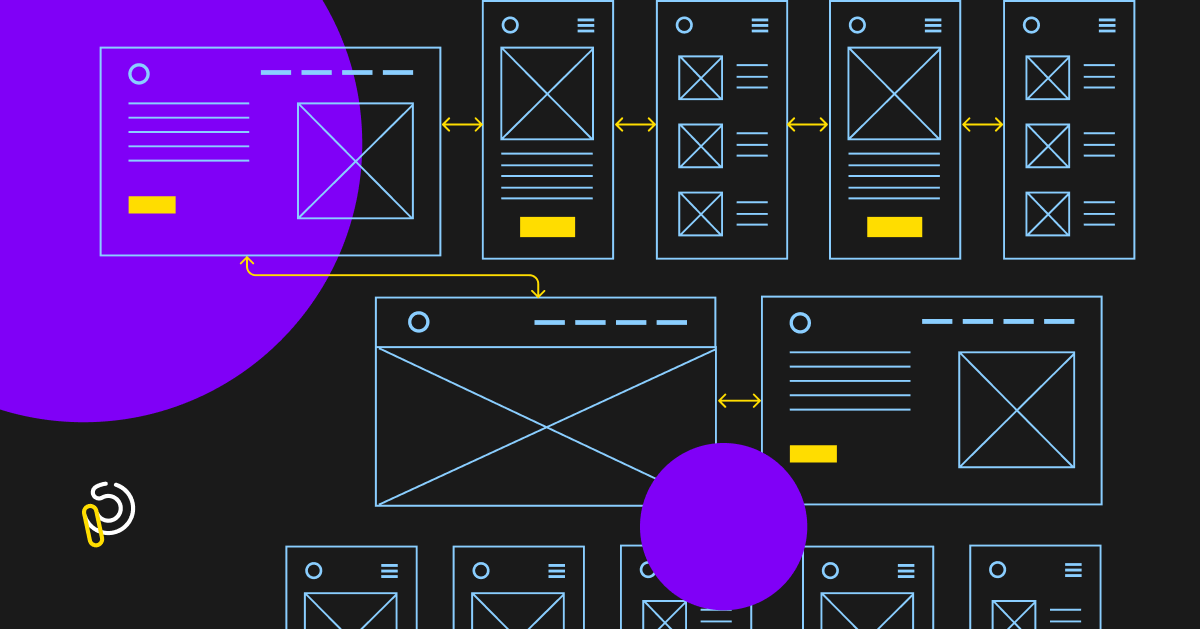

Behind every great app or website lies a thoughtful process one that begins long before colors, icons, or animations come into play. The journey from wireframes to a “wow” experience is what separates average digital products from truly intuitive ones.
Modern users expect more than visual appeal; they want experiences that feel natural, seamless, and almost invisible. The best designs are not noticed they’re simply felt. That’s the magic of intuitive UX (User Experience).
Understanding the Foundation Wireframes as the Blueprint
Every great digital product starts with structure.
Wireframes are like architectural blueprints they outline layout, hierarchy, and flow without distractions from color or branding.
At this stage, designers think like problem solvers. The focus isn’t on how it looks but how it works. Questions like:
- What is the user trying to achieve?
- How many steps does it take?
- What’s the most natural path to get there?
When wireframes are done right, they create the backbone for a smooth, intuitive experience where every action feels expected.
The Secret Behind Intuitive UX
Intuitive design isn’t just about simplicity it’s about anticipation. It’s the art of understanding user behavior so deeply that the interface feels like it already knows what they need.
Users shouldn’t have to think about what to do next. The layout, visuals, and content should guide them effortlessly. This comes from:
- Empathy: Stepping into the user’s mindset.
- Clarity: Eliminating confusion and unnecessary choices.
- Consistency: Ensuring patterns and actions feel familiar.
- Feedback: Providing instant confirmation for every user action.
When users can complete their goal without pausing to think, that’s intuitive UX in action.
Designing the “Wow” Moment
A “wow” moment in UX isn’t about flashy animations or bold graphics. It’s about delight those small, satisfying details that make an experience memorable.
This could be a smooth transition between screens, a micro-interaction that celebrates a completed task, or the way a system remembers your preferences. These touches build emotional connection and trust.
Good UX solves problems. Great UX surprises and delights.
From Testing to Refinement
No design is intuitive by accident. Behind every seamless experience lies testing, iteration, and data-driven improvement.
Usability testing helps uncover friction points. Analytics reveal drop-off areas. Real user feedback provides clarity that no design tool can.
Through constant refinement, wireframes evolve into prototypes, prototypes into polished products and eventually, into experiences that simply work.
The Balance Between Function and Emotion
The most powerful digital experiences blend logic and emotion.
Wireframes deliver structure and logic; the “wow” moments deliver emotion and engagement. Together, they create balance where users not only find value but also feel connected to the brand.
A great UX doesn’t just guide users; it empowers them. It builds loyalty through comfort, confidence, and satisfaction.
The Takeaway
Creating intuitive UX is an evolution from structure to emotion, from wireframes to wow.
It’s not about perfection from the start but about continuous learning, empathy, and purposeful design.
The secret lies in designing experiences that users don’t have to learn they just instinctively understand.
Because when design feels natural, users don’t just use it they love it.
SEO Keywords: intuitive UX, user experience design, UX strategy, wireframes, UI design, digital design process, usability, design thinking, UX testing