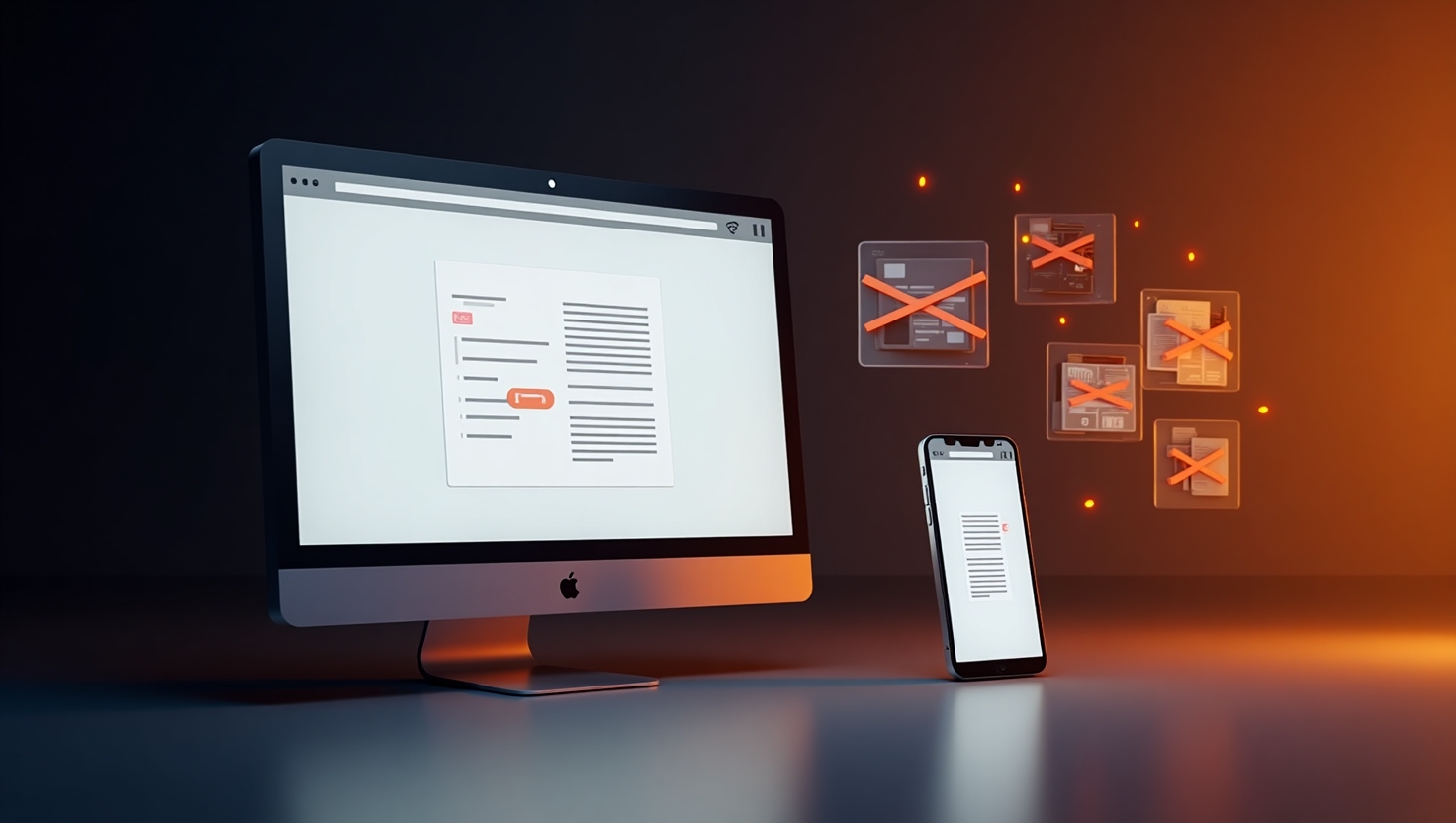

The world of design is changing faster than ever. Once upon a time, a visually appealing website or app was enough to capture attention. Clean layouts, trendy colours, and bold typography could make a brand stand out. But today’s users demand more. They don’t just want something that looks good they want something that works beautifully.
Modern design is about creating experiences, not just visuals. It’s the intersection where beauty meets usability, creativity meets logic, and art meets purpose. Designers are no longer just artists they are problem solvers, psychologists, and strategists, shaping how people interact with technology in meaningful ways.
The Evolution of Design Priorities
In the early days of the web, design was heavily focused on aesthetics. Brands competed to look modern, bold, and different. However, as users became more tech-savvy, expectations changed. The rise of mobile devices, responsive layouts, and fast-paced digital lifestyles forced designers to think beyond appearance.
Today, a successful design must deliver on three fronts: clarity, usability, and performance. If a website looks stunning but loads slowly or confuses users, the design fails its purpose. Functionality has become the foundation on which aesthetics must stand.
Modern design thinking now starts with questions like:
- What problem is this product solving?
- How can the user achieve their goal with minimal friction?
- Does the design guide or distract?
The answers to these questions shape designs that not only attract attention but also keep users engaged.
Why Functionality Is the New Beauty
Functionality drives satisfaction. A product that performs well, responds intuitively, and reduces effort naturally feels beautiful to the user. In fact, a good user experience often leaves such a seamless impression that users rarely notice the design they just enjoy the result.
Think about the apps you use every day they’re not just visually appealing; they’re reliable, predictable, and fast. Whether it’s navigation, checkout, or interaction, clarity beats complexity every time.
Functionality also builds brand trust. Users who experience smooth interactions associate that reliability with professionalism and quality. A confusing or broken interface, on the other hand, erodes credibility, no matter how sleek it looks.
The Power of Balance: Form Meets Function
The true art of modern design lies in balance. Aesthetics attract attention, but functionality keeps it. Designers must merge the emotional impact of visuals with the logical flow of usability.
Too much focus on visuals can slow down performance and overwhelm users. Too much focus on function can make an interface feel lifeless and uninspired. The key is to craft experiences that feel natural, look inviting, and perform flawlessly.
A great example of this balance is Apple. Their design language blends elegance with efficiency every color, animation, and button exists for a reason. Nothing feels excessive, yet everything feels intentional.
Technology and the Rise of Intelligent Design
Advances in AI, analytics, and automation are reshaping the future of digital design. Designers now have tools to measure engagement, track user behavior, and predict needs before users even express them.
AI can help identify friction points, personalize layouts, and adapt interfaces in real time. Yet, even with all this intelligence, human creativity remains the heart of good design. Data can guide decisions, but empathy gives them meaning.
The next generation of digital products will combine machine precision with human understanding interfaces that learn from users and evolve to meet their expectations seamlessly.
Beyond Design: The Human Experience
Design today is about more than visuals or usability it’s about emotion. Every color palette, transition, and call-to-action evokes a feeling. Brands that connect emotionally through design stand out in a crowded market.
Human-centered design principles are pushing this forward, emphasizing empathy, accessibility, and inclusion. Whether designing for a global audience or diverse demographics, functionality must serve everyone equally.
Design that ignores accessibility isn’t just incomplete it’s outdated.
The Future of Modern Design
The digital world will continue to evolve, but one truth remains constant: users are at the center of it all. Speed, simplicity, and emotional connection will define the next generation of web and app design.
Designers and brands that understand this shift will stay ahead. They will prioritise meaningful experiences, not just aesthetics building products that people trust, enjoy, and return to.
Ultimately, modern design succeeds when users don’t have to think they just feel right at home.
Because when design looks good and works even better, that’s when it truly delivers more.
SEO Keywords: modern design, user experience, functionality in design, web design trends, app design, digital innovation, UX design, human centered design, UI design, responsive design