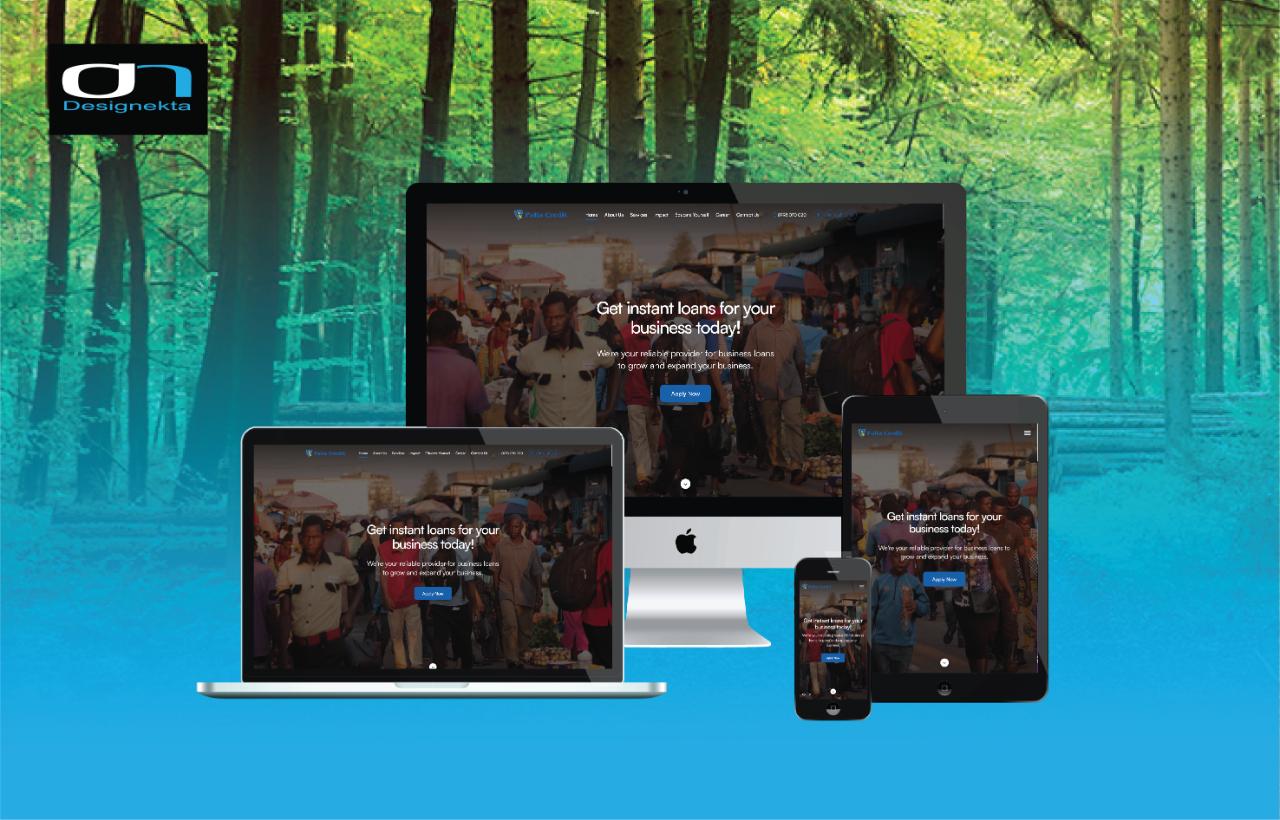

In today’s digital age, your website is often the first impression people have of your brand. It’s your online office, store, and portfolio all in one open 24/7 to customers around the world.
Creating a website is not just about visuals or functionality; it’s about building a digital experience that communicates trust, value, and clarity from the first click.
Whether you’re an entrepreneur launching a startup, a designer building your portfolio, or a business expanding online, understanding the full process of website creation can help you make smarter decisions and build something that truly works.
1. Define Your Purpose and Audience
Before you dive into colors, templates, or code, you must start with clarity.
Ask yourself:
- Why am I creating this website?
- Who do I want to reach?
- What action should visitors take when they land here?
A website designed without a clear purpose is like a store without a sign people might walk by, but they won’t know why they should enter.
Defining your purpose helps shape everything else from your site structure and tone of content to your design style and functionality.
If your goal is to sell products, focus on a clean e-commerce layout.
If your goal is to inform or educate, prioritize readability and content flow.
Understanding your audience is equally crucial. Knowing their needs, behaviors, and pain points allows you to design experiences that feel personal and relevant.
2. Choose the Right Platform
The foundation of any website lies in the platform you choose. There are countless tools available — each with its strengths and ideal use cases:
- WordPress: Great for blogs, business sites, and scalable projects. It offers flexibility through plugins and themes.
- Shopify: Designed specifically for e-commerce, making it perfect for online stores.
- Wix / Squarespace: Best for small businesses or creative professionals seeking elegant, drag-and-drop simplicity.
- Custom Websites: Ideal for brands needing unique functionality, advanced integrations, or high scalability.
Your platform should align with your technical comfort level, budget, and growth goals. Choosing wisely from the start saves time, money, and frustration later on.
3. Design with the User in Mind
Good design goes beyond aesthetics it’s about usability. A visually stunning website is meaningless if visitors struggle to find information or complete simple actions.
Adopt human-centered design principles that put users first:
- Create clear navigation with a logical flow.
- Use consistent colors, typography, and icons that reflect your brand.
- Keep your layout clean — white space helps users focus.
- Make sure all pages are mobile-responsive (over 60% of web traffic comes from phones).
- Prioritize loading speed — even a one-second delay can drive users away.
Your goal is to make every interaction smooth, intuitive, and enjoyable.
4. Optimize for Search Engines (SEO)
Your website is only effective if people can find it.
That’s where SEO (Search Engine Optimization) comes in.
Key SEO steps to follow:
- Research and use targeted keywords throughout your pages, especially in titles, headings, and meta descriptions.
- Optimize images by compressing them and adding alt text.
- Create internal links between related pages to help search engines understand your content structure.
- Ensure your website is secure (HTTPS) and loads quickly.
- Regularly update your content — Google rewards freshness.
Think of SEO as the bridge between your content and your audience. Without it, even the best website can stay invisible online.
5. Build High-Quality Content
Design may attract visitors, but content keeps them there.
Your website should educate, inspire, and lead users toward action.
Great content includes:
- Homepage messaging that instantly explains what you offer and why it matters.
- Service or product pages with clear value propositions and visuals.
- Blog posts that answer real user questions and build authority.
- Calls-to-action (CTAs) that guide users “Buy Now,” “Contact Us,” “Learn More.”
Visual content like videos, photos, and infographics also help break up text and improve engagement.
Remember: content isn’t just what you say it’s how you say it. Authenticity builds trust.
6. Prioritize Accessibility and Performance
An inclusive website is a successful one.
Make sure your design is accessible to everyone, including users with disabilities. This means:
- Using readable fonts and strong color contrast.
- Providing captions for videos.
- Ensuring buttons and forms are easy to navigate via keyboard.
Also, optimize your site’s performance. Compress images, use caching tools, and minimize heavy scripts. A fast, smooth experience encourages users to stay longer and helps your SEO ranking too.
7. Test, Launch, and Maintain
Before going live, test everything. Click every link, submit every form, and check how your site looks on different devices.
Once launched, your job isn’t over.
A website is a living platform it needs updates, security patches, new content, and regular performance checks.
Keep tracking your analytics to understand user behavior and improve continuously.
8. Branding and Visual Identity
Your website is often your audience’s first impression of your brand.
Invest in a strong visual identity consistent colours, fonts, and tone of voice that align with your business personality.
A unified brand experience builds recognition, trust, and professionalism. Every detail from logo placement to button color should tell your story.
Conclusion
Website creation isn’t just a technical process it’s a strategic journey. It combines creativity, user psychology, technology, and storytelling.
A well-crafted website can attract visitors, convert them into customers, and position your brand as credible and forward-thinking.
In the digital era, your website is not just your online presence it’s your digital identity.
When done right, it works around the clock, connecting your brand to the world, one click at a time.