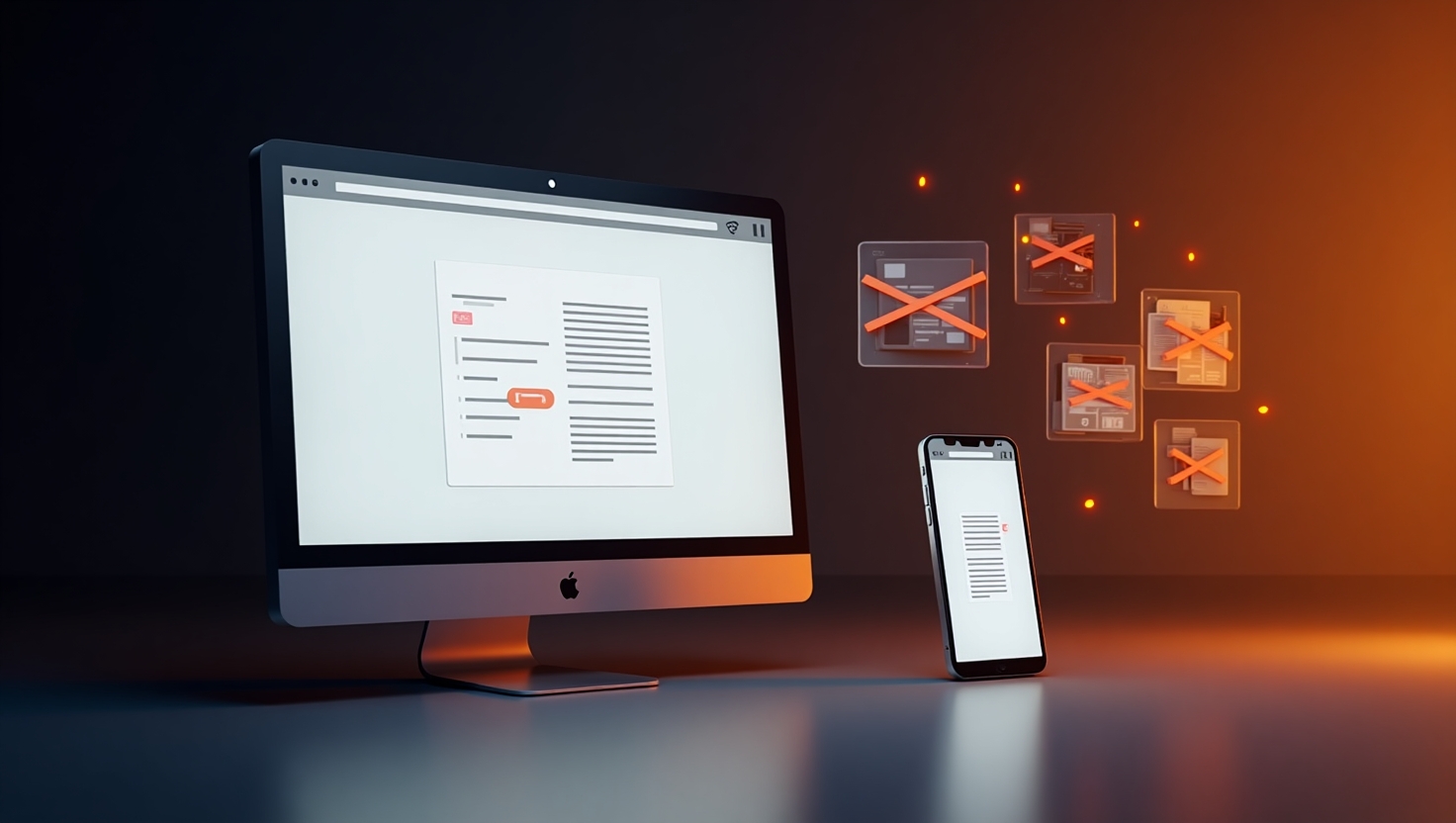

Introduction: The Need for Effortless Digital Experiences
In an era defined by instant gratification, users expect websites and apps to be fast, intuitive, and frustration-free. Every millisecond matters, and every design decision influences how users perceive your brand. Modern audiences don’t have the patience for slow-loading pages or cluttered interfaces if they can’t find what they’re looking for in seconds, they simply move on.
That’s why speed and simplicity have become the gold standards of digital design. They’re not just design trends they’re essential strategies for creating seamless, enjoyable, and high-performing experiences that meet today’s digital expectations.
The Importance of First Impressions
Your digital platform has only a few seconds to make an impression. According to Google, users form opinions about a website’s credibility within 50 milliseconds. That’s less than the blink of an eye.
A fast, simple, and elegant design sends an immediate message: your brand values quality, professionalism, and user experience. Meanwhile, slow load times and visual clutter create frustration and distrust. In web and app design, your first impression can determine your conversion rate, retention, and reputation.
Speed: The Invisible Force Behind Great UX
1. Performance Equals User Satisfaction
Speed is the backbone of user experience. When a site or app loads instantly, users feel in control. When it lags, frustration builds and that emotional response directly affects engagement and conversion.
- 47% of users expect a website to load in 2 seconds or less.
- A 1-second delay can reduce conversions by up to 20%.
Fast experiences keep users engaged, while slow ones drive them away. Whether it’s an e-commerce checkout or a mobile banking transaction, performance defines how users feel about your brand.
2. Speed as an SEO Ranking Factor
Google’s algorithms reward speed. Since Core Web Vitals became part of SEO rankings, page load performance directly influences visibility on search results. A slow website won’t just frustrate users it will also hurt your search rankings.
Optimising images, minimising code, and leveraging browser caching are simple yet powerful ways to improve load time. For apps, lightweight architecture and efficient backend APIs ensure responsiveness and reliability.
Simplicity: The Art of Clarity and Focus
1. Why Less Is More
Simplicity doesn’t mean emptines it means intentional clarity. The best web and app designs strip away distractions and guide users naturally toward key actions.
Clean layouts, readable fonts, and intuitive navigation help users find information faster, reducing confusion and decision fatigue.
When users understand what to do next without thinking, you’ve achieved the essence of great UX: effortless interaction.
2. The Psychology Behind Minimalist Design
The human brain processes visuals faster than text. Simple, organized layouts reduce cognitive load, allowing users to focus on what matters most.
A cluttered interface creates stress; a clear one creates calm. That emotional comfort builds trust which translates into longer visits, higher engagement, and stronger loyalty.
3. Simplicity and Accessibility
Inclusive design means everyone regardless of ability, device, or location can use your digital product easily. A simplified, well-structured layout supports accessibility, improving usability for users with disabilities and enhancing your brand’s credibility.
The Balance Between Functionality and Minimalism
True simplicity doesn’t eliminate functionality it refines it.
The best digital products prioritise essential features and remove everything else that doesn’t add value. Think of Google’s homepage minimal, clean, and instantly functional. Or Instagram’s interface intuitive and visually focused.
In web and app design, simplicity enhances discoverability. The fewer obstacles users face, the more naturally they interact with your product. Every button, image, and motion should have a clear purpose.
The Emotional Connection: Why Fast and Simple Feels Better
When users experience smooth transitions, quick load times, and intuitive design, they feel a sense of satisfaction and trust. Positive digital interactions evoke calmness, confidence, and control emotions that are essential for building brand loyalty.
Slow, confusing, or cluttered interfaces do the opposite: they trigger anxiety, frustration, and abandonment. In a competitive digital landscape, emotions are what make users return or leave forever.
The Business Benefits of Speed and Simplicity
Designing with speed and simplicity isn’t just about user experience it’s about business growth.
Here’s what brands gain when they embrace these principles:
- Higher SEO rankings: Fast, well-structured websites outperform cluttered ones in search results.
- Increased conversions: Simplicity makes purchasing or signing up easier and faster.
- Better retention: Fast-loading apps and sites reduce bounce rates and keep users coming back.
- Lower maintenance costs: Minimalist, efficient designs are easier to update and optimize.
In short, simplicity drives scalability, and speed drives profitability.
Building for the Future: Fast, Flexible, and User-Centered
As technology evolves with AI-driven personalization, 5G networks, and cross-platform experiences speed and simplicity will only grow in importance.
Future-ready design is human-centered, data-informed, and efficiency-driven.
Users want meaningful interactions without unnecessary friction. Whether they’re accessing your platform from a smartphone, smartwatch, or voice assistant, the experience should feel instant, consistent, and effortless.
Conclusion: The Future Belongs to the Fast and Simple
The digital world is moving faster than ever and users’ expectations are following suit. In this environment, speed and simplicity are not just design principles; they’re business imperatives.
A fast, minimalist website or app reflects clarity, professionalism, and respect for your users’ time. It’s a promise that you value their experience above all else.
In a marketplace crowded with noise, complexity, and competition, simplicity is your competitive edge, and speed is your silent ambassador. Together, they create the kind of digital experience users remember and return to.
SEO Keywords:
- Web design trends 2025
- Mobile app design best practices
- Importance of website speed
- Minimalist web design
- Fast website optimization
- User experience (UX) in app design
- Core Web Vitals SEO
- Simplicity in digital design
- Responsive web design principles
- Human-centered UX